
Quick Answers





Which Electrolyte Is Used as a Coolant in CNC Machining?
- July 28, 2025
- Jason Chang
- 3:27 am
When it comes to CNC machining, proper cooling is essential to ensuring the efficiency and longevity of machine tools.
One commonly used method for cooling in CNC machining is the use of electrolytes.
But what exactly are electrolytes, and which ones are commonly used as coolants in CNC machining?
What are Electrolytes?
Electrolytes are substances that conduct electricity when dissolved in water or melted.
They are essential for a wide range of industrial applications, including electroplating, metal processing, and cooling in CNC machining.
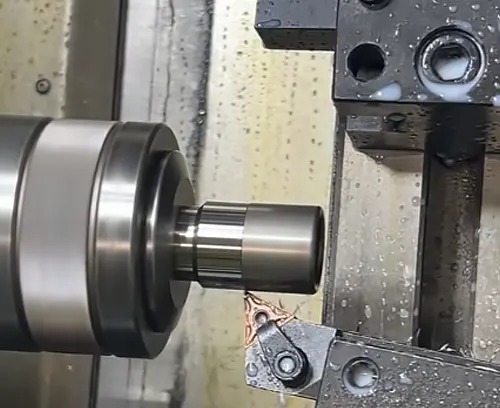
In CNC machining, electrolytes are used as coolants to dissipate heat generated during the machining process, preventing overheating and ensuring the accuracy and quality of the machined parts.
The Importance of Cooling in CNC Machining
Cooling is crucial in CNC machining to prevent the build-up of excess heat, which can lead to tool wear, poor surface finish, and even damage to the workpiece.
By using electrolytes as coolants, manufacturers can effectively regulate the temperature of the cutting tool and workpiece, prolonging tool life and improving machining accuracy and efficiency.
Commonly Used Electrolytes in CNC Machining
There are several types of electrolytes commonly used as coolants in CNC machining, each with its own unique properties and advantages. Some of the most commonly used electrolytes in CNC machining include:
| Electrolyte | Properties | Advantages |
|---|---|---|
| Water | High heat capacity, good thermal conductivity | Cost-effective, readily available |
| Oil-based coolants | Low viscosity, lubricating properties | Reduce friction, improve surface finish |
| Synthetic coolants | High cooling capacity, corrosion resistance | Prolong tool life, enhance machining performance |
Each type of electrolyte has its own set of benefits and applications, and manufacturers can choose the most suitable electrolyte based on their specific machining requirements and preferences.
Factors to Consider When Choosing an Electrolyte
When selecting an electrolyte for CNC machining cooling systems, there are several factors to consider, including:
- Heat dissipation capabilities
- Corrosion resistance
- Lubricating properties
- Environmental impact
- Cooling efficiency
By carefully evaluating these factors, manufacturers can choose the most appropriate electrolyte for their CNC machining applications, ensuring optimal performance and efficiency.
Conclusion
In conclusion, electrolytes play a crucial role in cooling systems for CNC machining, helping to dissipate heat and maintain optimal operating temperatures.
By selecting the right electrolyte for their specific machining requirements, manufacturers can improve tool life, machining accuracy, and overall efficiency.
Whether using water-based, oil-based, or synthetic coolants, it is essential to consider factors such as heat dissipation capabilities, corrosion resistance, and lubricating properties when choosing an electrolyte for CNC machining cooling systems.